Two events the crypto industry had watched all year arrived within 24 hours of each other. Neither went its way. On September 15, the Clarity Act failed 49–50 in the Senate. It fell 11 votes short of the 60 needed to advance, despite Trump accepting most of the ethics changes Democrats had requested. The next day, the Federal Reserve raised interest rates by 25 basis points to 3.75%–4.0%. It was the first increase since July 2023, and the Fed expects another hike before the end of the year. Bitcoin is trading around US$75,700 (AU$105,980), down roughly 8% for the week. Elsewhere, attackers posing as government officials demanded US$3 million (AU$4.2 million) in Monero from Revolut. Celsius sued BitMEX for US$495 million (AU$693 million) over liquidations dating back six years. And Franklin Templeton’s head of crypto argued that Wall Street is still underestimating what comes next. It was a week that tested the industry’s confidence. Let’s get into it.
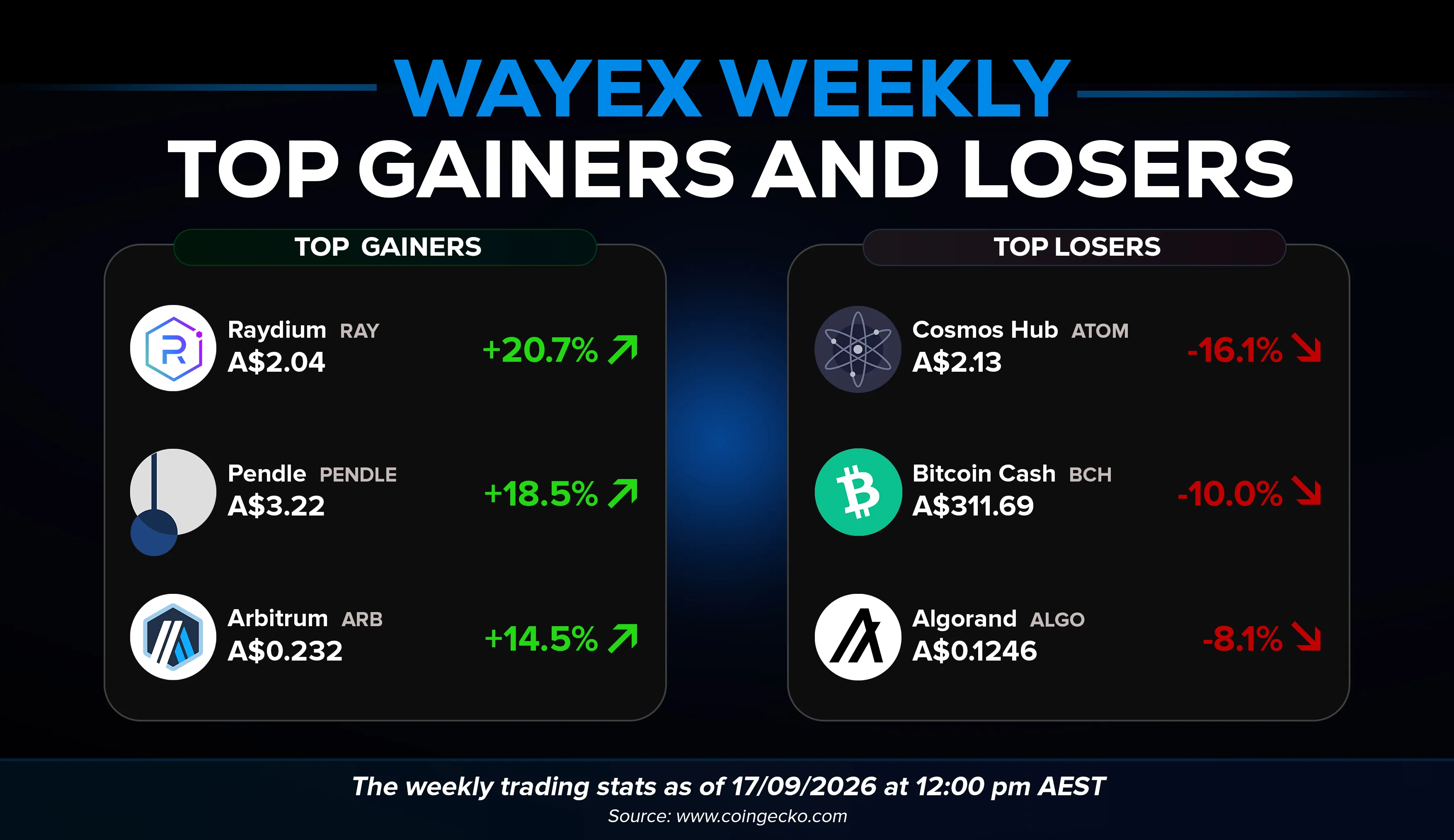
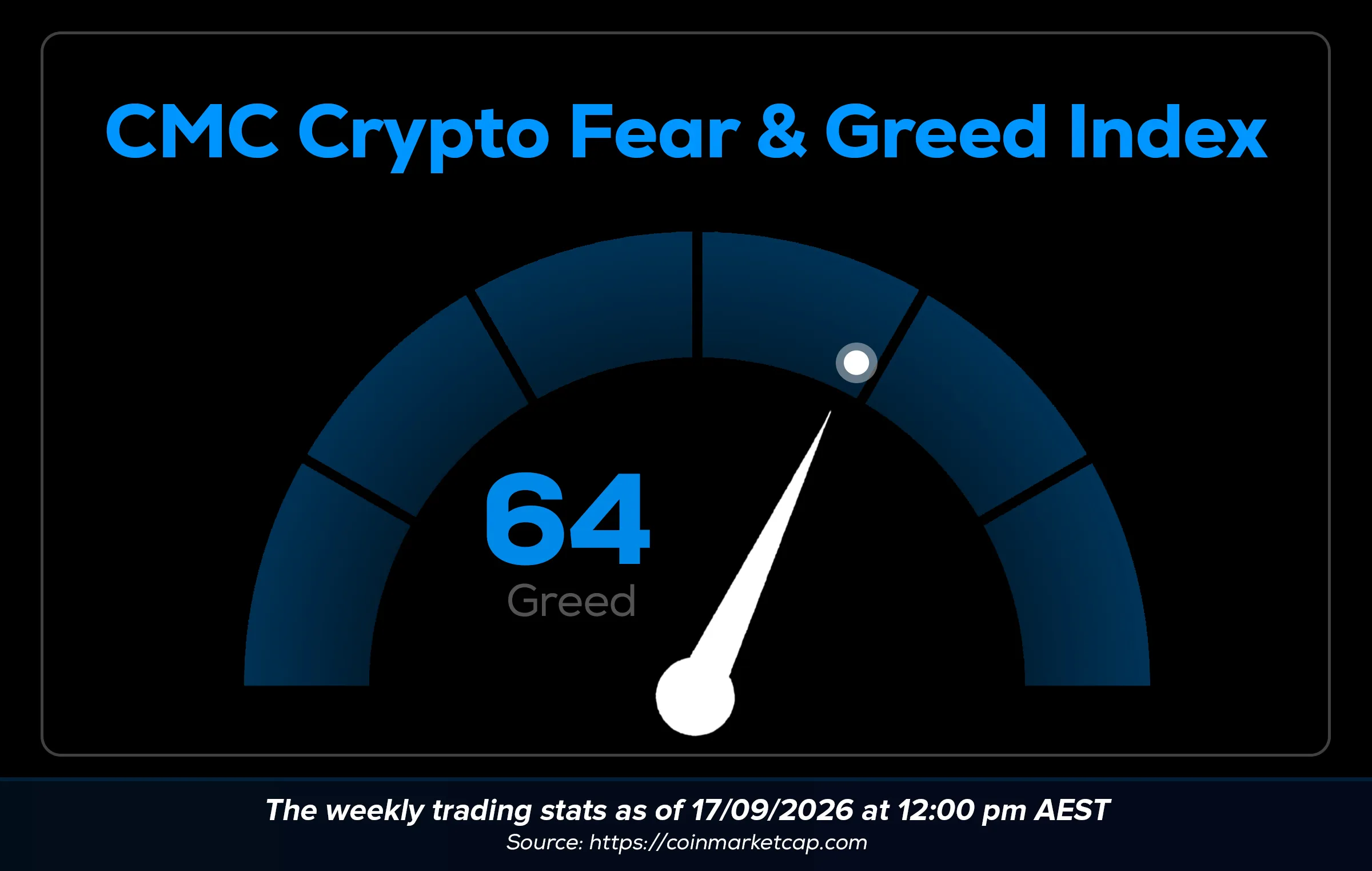
The Clarity Act Is Dead for 2026. Here’s the Full Story.
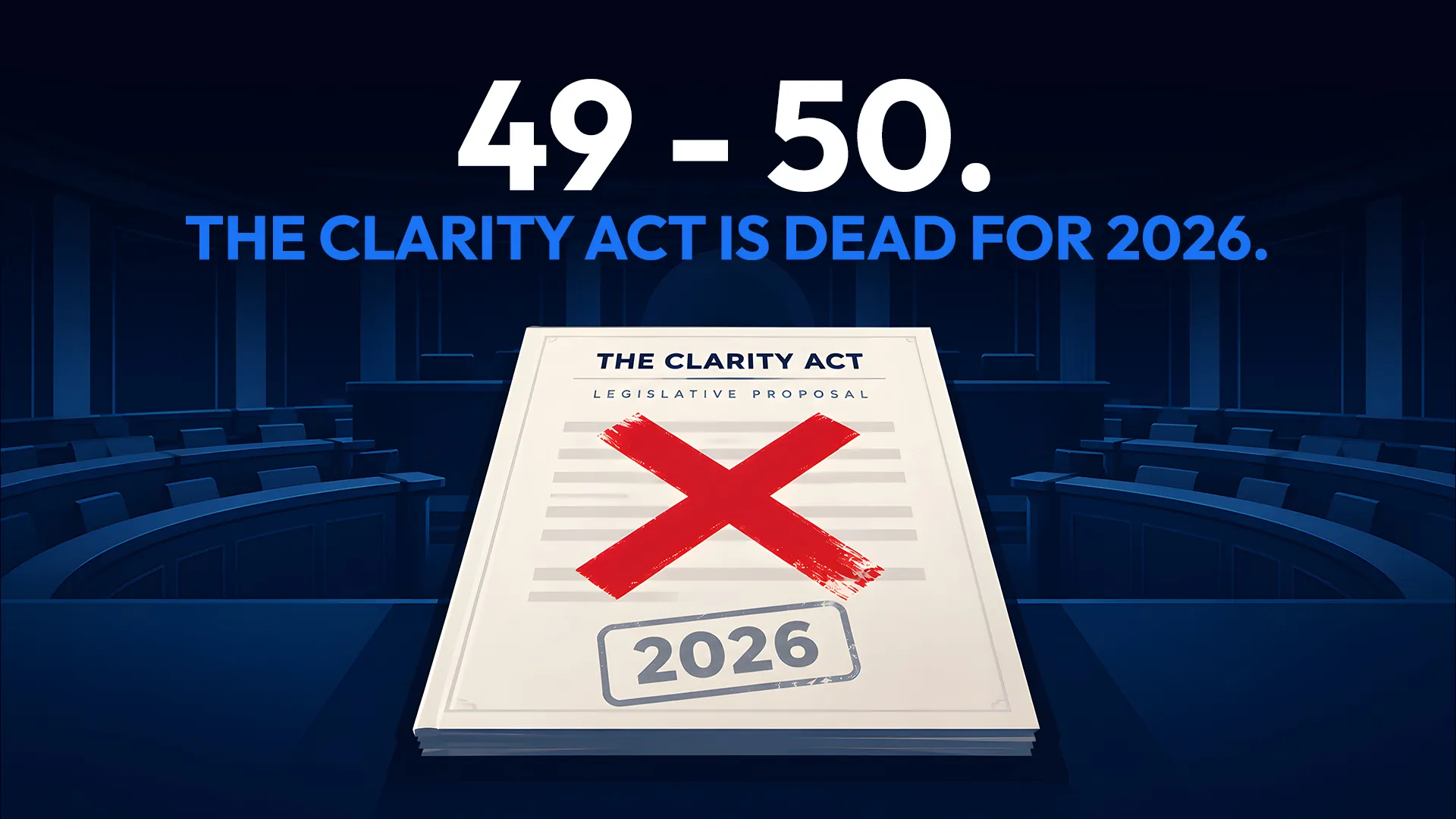
The final 72 hours of the Clarity Act deserve a closer look because this was not a simple partisan defeat. It showed how difficult crypto legislation becomes when regulation, banking interests, ethics and political conflicts all meet in Washington.
On September 13, Senate Republicans released what they called the final draft of the Digital Asset Market Clarity Act, including more than 120 changes and an ethics provision Democrats had demanded throughout the negotiations. Trump accepted about 80% of the bipartisan Tillis-Gallego ethics proposal, including one of the biggest sticking points: allowing state attorneys general to take action against federal officials who broke restrictions on creating or sponsoring digital assets while in office.
Senator Cynthia Lummis, the bill’s lead Republican negotiator, described the revised text as bipartisan and argued that Democrats had secured many of the changes they wanted. White House crypto adviser Patrick Witt also said that after more than a year of negotiations, it was time to pass the bill. The administration had moved further than many expected, but it was not enough.
On September 15, the Senate voted 49–50 on the procedural motion needed to move the bill to a full debate, well short of the 60 votes required. No Democrats voted to advance it, while four Republicans also voted against it. One of the Republicans, Thom Tillis, was the senator whose ethics proposal Trump had partly accepted two days earlier.
The opposition was not based on one issue. Senator Chris Van Hollen said passing the Clarity Act was not a leading concern among his constituents, while Senator Elizabeth Warren argued that the revised bill still allowed Trump to profit from existing crypto interests. Banks had also lobbied against stablecoin provisions they believed could pull deposits away from traditional financial institutions. Different groups had different objections, but they ultimately arrived at the same vote.
What happened next was more measured than many expected. Coinbase CEO Brian Armstrong called the result a setback rather than a defeat, while the SEC and CFTC both said they would use their existing powers to provide greater regulatory clarity. The House tax committee also advanced a separate crypto tax bill during the week, suggesting smaller pieces of crypto legislation could still move forward even without the Clarity Act.
Senator Lummis has warned, however, that the next realistic opportunity for broad crypto market structure legislation may not arrive until 2030. For Australian crypto users, the result matters because US regulation still shapes much of the global industry. Agency rules can provide greater clarity, but they are also easier for a future administration to reverse than laws passed by Congress. The direction may still be forward, but the path has become longer and less certain.
The Fed Hiked for the First Time Since 2023

The Federal Reserve raised its benchmark interest rate by 25 basis points on Wednesday, lifting the federal funds rate target to 3.75%–4.0%. It was the first rate increase since July 2023, and the Fed’s latest projections suggest at least one more hike before the end of 2026. The Federal Open Market Committee said economic activity continues to grow at a solid pace, while inflation remains above target and geopolitical uncertainty continues to create risks.
For crypto, the importance of higher rates comes down to where investors choose to put their money. When rates rise, borrowing becomes more expensive while cash and bonds can offer better returns with less risk. That can reduce demand for more volatile investments such as crypto and growth stocks, which compete for the same pool of investment capital.
This week, the rate hike arrived just one day after the Clarity Act failed, creating two separate challenges for the market at almost the same time. Bitcoin was trading around US$75,700 (AU$105,980) after the decision, roughly 8% below where it began the week, although the immediate reaction to the Fed announcement was calmer than many expected.
US stocks moved slightly higher and bond yields fell after the announcement, while Bitcoin changed little in the minutes following the decision. That suggests investors had already priced in much of the rate increase. The more important signal came from the Fed’s projections, which still point to another increase before the end of the year.
Oil is also trading above US$102 (AU$142.80) a barrel amid fresh geopolitical tensions, which could add further pressure to inflation. Australia may face similar conditions, with the RBA expected to raise rates to 4.60% at its September 29 meeting. That would leave Australian investors facing tighter monetary conditions from both central banks as crypto enters the final quarter of 2026.
Revolut Was Breached. What You Need to Know.

Revolut confirmed this week that attackers gained access to customer information after posing as government officials and submitting fraudulent information requests that passed the company’s internal checks. At least 680 customer accounts were affected, with exposed information including identity documents, driving licences, customer photographs and transaction histories.
Importantly, Revolut said its systems were not technically breached, and customer funds were unaffected. Instead, the attackers found a weakness in the process used to handle what appeared to be legitimate government requests, making this a failure of procedure and trust rather than a traditional hack.
A group calling itself iamnotavillain later demanded 6,000 XMR, worth about US$3 million (AU$4.2 million), and reportedly gave Revolut 24 hours to pay. XMR is the token used by Monero, a privacy-focused cryptocurrency designed to hide transaction details. The group also sent the Financial Times a recording that appeared to show samples of the stolen information and claimed it had used blockchain data to identify customers with significant crypto holdings.
Revolut blocked the address used to submit the requests and notified regulators and law enforcement. But the method behind the attack is what makes this story particularly important, especially after the Malone Lam case we covered last week.
Neither attack depended on sophisticated software. In the Revolut case, attackers convinced a company process that they represented a government agency. In the Malone Lam case, attackers convinced an individual that they represented Google and Gemini. Both relied on social engineering: manipulating trust and human judgement rather than breaking through code.
For users, the lesson remains simple. Treat unexpected requests involving your money or personal information with caution, particularly when someone creates a sense of urgency. A legitimate platform should never pressure you through an unsolicited message or call to move your crypto or ask for funds to verify your account. Wayex will never contact you and ask you to transfer crypto for any reason.
Celsius Sues BitMEX for US$495 Million
Celsius Network’s bankruptcy estate sued five BitMEX entities on September 12, seeking the return of 6,360 BTC now worth about US$495 million (AU$693 million). The case relates to losses during the March 2020 COVID market crash, when Bitcoin fell roughly 50% in a single day, with Celsius alleging fraud, market manipulation and wrongful liquidations.
The claim includes 1,325.84 BTC Celsius lost in a liquidation on March 12, 2020, along with another 5,034.33 BTC lost the following day by investment fund JST, whose claims have since been transferred to the Celsius estate. Both positions depended on Bitcoin holding its price or rising. Put simply, they were leveraged bets that Bitcoin would go up.
Celsius alleges that BitMEX designed its liquidation system in a way that caused excessive losses for customers while adding money to its own insurance fund. The argument is that BitMEX controlled both the system that triggered liquidations and the fund that benefited from them.
The case also highlights a deeper issue from the Celsius collapse. Celsius marketed itself as using “delta-neutral” strategies, which are designed to limit exposure to whether an asset rises or falls. A court-appointed examiner later found that Celsius had also used highly speculative derivatives and other risky strategies, including leveraged positions that looked very different from the low-risk approach presented to customers.
Celsius is now suing BitMEX over losses from trades its customers may not have known it was making. The allegations against BitMEX remain unproven, and BitMEX has not publicly responded to the specific claims. But the filing again highlights the gap between how Celsius described its strategy and how customer funds were actually being used.
Is Wall Street Underestimating Crypto? Franklin Templeton Thinks So.
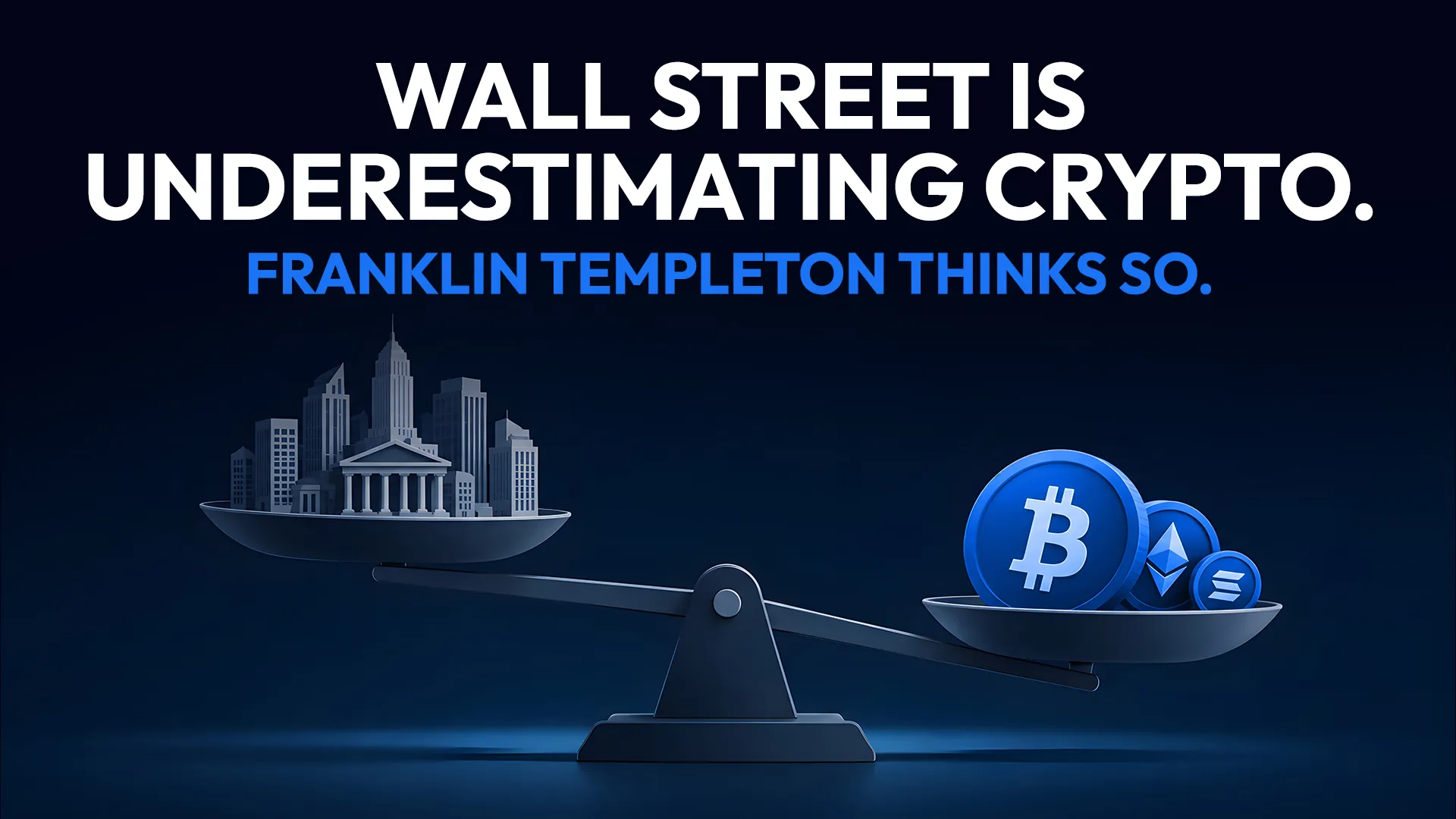
Chris Perkins, head of Franklin Crypto, made an interesting argument this week about crypto’s institutional future. Wall Street has spent years asking whether crypto belongs inside the traditional financial system, but Perkins believes the better question is how much of traditional finance will eventually begin to operate like crypto.
The argument is based on changes already underway. Franklin Templeton has spent years developing its Benji tokenisation platform, which powers its Franklin OnChain US Government Money Fund, and recently folded crypto investment firm 250 Digital into its new Franklin Crypto division. Sandy Kaul, Franklin Templeton’s head of digital assets and innovation, has also argued that the broader crypto market could grow tenfold as traditional assets move onto blockchain networks.
Perkins’ view is that financial institutions are already adopting blockchain technology in different forms, while markets are moving toward 24-hour, seven-day-a-week operation. Companies that cannot operate continuously could eventually lose business to competitors that can, particularly as settlement, trading and asset ownership become more programmable.
The timing of those comments is important because they came during a week when the Clarity Act failed, and the Fed raised rates, both of which created short-term pressure for crypto. Perkins’ argument is that neither changes the longer-term direction of travel as traditional financial infrastructure adopts features made possible by blockchain technology.
Robinhood is expanding into tokenised stocks and around-the-clock trading, Coinbase is moving beyond crypto trading into broader financial infrastructure, and BlackRock has become a major institutional supporter of tokenised funds. The Clarity Act’s failure may delay a clear US legal framework, but it does not reverse those decisions.
For Australian crypto holders, that distinction matters. Short-term market pressure is real, but it is separate from the longer-term question of whether blockchain technology continues to become part of mainstream finance.
Standard Chartered’s Arbitrum Call
Geoff Kendrick, Standard Chartered’s global head of digital assets research, began covering Arbitrum’s ARB token this week with a 2030 price target of US$10 (AU$14). ARB was trading around US$0.14 (AU$0.20) when the research was published on September 15, meaning the target implies a significant increase if Kendrick’s thesis proves correct.
The report arrived on the same day as the Clarity Act vote and received less attention than it might have otherwise. But the argument behind the target is worth understanding because it focuses on a business model that is already producing revenue rather than relying only on future adoption.
Arbitrum is an Ethereum Layer 2 network, which means it processes transactions faster and more cheaply before settling them on Ethereum. One important part of its model is the Expansion Program, which allows companies to build their own blockchain networks using Arbitrum technology in return for paying 10% of their net protocol revenue back to the Arbitrum ecosystem.
Kendrick’s thesis focuses heavily on Robinhood Chain, which launched using Arbitrum technology on July 1. During its first month, Robinhood Chain paid about US$360,000 (AU$504,000) in licensing fees, representing 35% of ArbitrumDAO’s total income for the month. Standard Chartered estimates the wider program was generating about US$5 million (AU$7 million) in monthly fees by September, more than five times its rate before Robinhood.
Kendrick forecasts ARB reaching US$0.50 (AU$0.70) by the end of 2026, US$1.50 (AU$2.10) in 2027, US$3.50 (AU$4.90) in 2028, US$6.50 (AU$9.10) in 2029 and US$10 (AU$14) by 2030. The final target assumes tokenised assets grow to US$4 trillion (AU$5.6 trillion) by the end of 2028, increasing demand for Arbitrum’s infrastructure and lifting its revenue.
There are important risks to that thesis. Tokenisation could grow more slowly than expected, while Base, Optimism, Solana and other networks are competing for the same institutional customers. ARB holders also have no direct claim on Arbitrum’s revenue, which means stronger financial performance for the network does not automatically translate into a higher token price.
This is one analyst’s forecast, not a recommendation. The more interesting part is the argument behind it: Arbitrum is building a model where companies pay to use its blockchain technology, creating a measurable source of revenue. Whether that growth eventually translates into value for the ARB token is the part worth watching.
Founder’s Corner
This was the week the industry found out what it is actually made of. The Clarity Act failed 49–50, the Fed raised rates for the first time since 2023, and Bitcoin fell roughly 8%. If you were looking for reasons to feel discouraged, the week provided plenty.
What I keep coming back to is how the industry responded, rather than what happened to the price. The SEC and CFTC both committed to moving ahead using their existing powers, while Franklin Templeton argued that Wall Street still underestimates where blockchain technology is heading. Crypto has faced regulatory uncertainty, higher rates and political setbacks before, yet each cycle has also brought more infrastructure, more institutional participation and more practical uses for the technology.
That does not make the Clarity Act result any less frustrating. The administration accepted many of the ethics changes Democrats had requested, but the bill still failed to advance. Senator Lummis has warned that another realistic opportunity for broad market structure legislation may not arrive until 2030, which is a long time for the industry to operate without a clear legislative framework in the world’s largest financial market.
The honest assessment is that without legislation, much of the industry remains dependent on rules created by regulators, which a future administration can change more easily than a law passed by Congress. That uncertainty matters, and I think it is better to acknowledge it than try to cover it with optimism.
The Revolut story is the one I want every Wayex customer to sit with this week. The attackers did not need sophisticated technology; they needed a convincing story and a process that trusted it. That vulnerability exists anywhere people handle sensitive financial information, which is why strong compliance systems and healthy scepticism around unsolicited contact matter so much.
The answer is not to avoid digital finance. It is to use platforms with rigorous compliance frameworks, question unexpected contact and understand who holds your information and under what regulatory framework. At Wayex, our AUSTRAC registration and AFSL approval are public and verifiable. That accountability is not a marketing point; it is the standard we believe every platform should be held to.
Richard Voice Co-Founder, Wayex
Things That Made Us Laugh This Week