The largest crypto hack on record hit Binance on October 29, with attackers stealing approximately US$6.3 billion (AU$9.0 billion). According to the exchange's investigation, the attack began months earlier with a compromised AI coding tool and a fake recruiter's coding test targeting its engineers. The FBI has attributed the theft to North Korea's TraderTraitor unit, although North Korea denies involvement. Binance has reopened withdrawals in stages and says it will absorb the losses.
Bitcoin spent the week under pressure, falling to a seven-week low below US$76,000 (AU$108,680) as US spot Bitcoin ETFs recorded US$1.16 billion (AU$1.66 billion) in outflows over three sessions. The price later recovered above US$80,000 (AU$114,400) as Democrats won control of both chambers of the US Congress, raising fresh questions about the future of the CLARITY Act. Elsewhere, Strategy resumed buying Bitcoin, the CFTC approved stock perpetual futures despite immediate legal opposition, and blockchain investigators traced a suspected US$133 million (AU$190.2 million) theft involving an unidentified European Union entity.
Let's get into it.
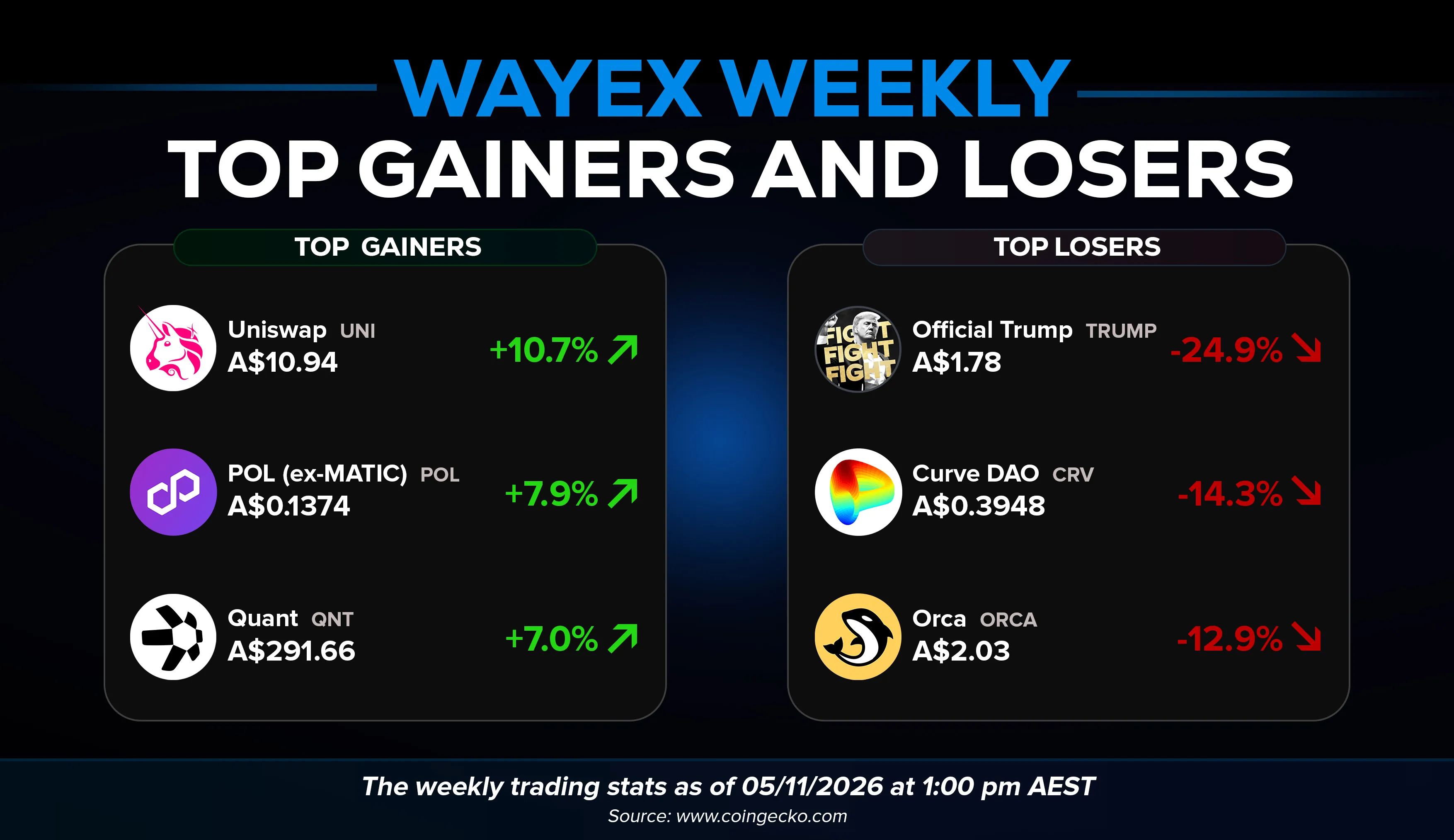
Binance Lost US$6.3 Billion. Here's How It Happened.

Attackers stole about US$6.3 billion (AU$9.0 billion) from Binance around October 29, making it the largest cryptocurrency theft on record. Blockchain analytics firm TRM Labs estimates that roughly US$6.36 billion (AU$9.1 billion) moved out of Binance wallets across ten blockchains, with most of the funds transferred in approximately 20 minutes. On Saturday, the FBI attributed the attack to North Korea's TraderTraitor unit, the same group it linked to the US$1.5 billion (AU$2.1 billion) Bybit theft in February 2025. North Korea has denied involvement, with Kim Yo Jong, the sister of Kim Jong Un, describing the accusation as politically motivated.
Binance's November 3 postmortem describes a coordinated campaign that began months before the theft. In June, an engineer downloaded a compromised software package while setting up an AI coding tool. Binance detected the malware and replaced the device, but the attackers had already gathered information about employees working on the exchange's wallet infrastructure. In September, individuals posing as recruiters convinced another engineer to open a file presented as a coding assignment. The file infected the engineer's work computer and bypassed Binance's security controls. The attackers then used that compromised computer and an internal AI tool on October 20 to access two additional engineers' systems, collecting credentials used to authorise software changes. On October 29, they deployed malicious software into Binance's wallet infrastructure, gained access to the internal service responsible for signing outgoing transactions and transferred funds outside the exchange's normal withdrawal process.
Binance says the attackers also exploited an Ethereum feature called EIP-7702, which allows a wallet to delegate certain permissions to a smart contract. This enabled transfers to continue even after the exchange suspended withdrawals. Because Binance distributes wallet-signing authority across multiple parties, revoking the compromised permissions proved more difficult. Co-founder Yi He said the exchange had blocked 57 suspected North Korea-linked attacks this year, including fake recruitment approaches and malicious software packages. Despite those precautions, one successful intrusion caused enormous damage.
Binance began reopening withdrawals in stages on Sunday. By mid-afternoon UTC, customers had withdrawn US$4.65 billion (AU$6.6 billion), compared with US$1.01 billion (AU$1.4 billion) in deposits. That represented net outflows of approximately US$3.64 billion (AU$5.2 billion), or 2.1% of assets under management. The exchange says it will absorb the losses rather than pass them on to customers. On Sunday, Binance reported that it had restored backing for approximately 95% of affected assets using its own funds, with the remainder concentrated in less liquid tokens outside the top ten. Its subsequent postmortem, as reported by Cointelegraph, placed that figure at 98%.
Efforts to freeze the stolen assets have also recovered some ground. TRM Labs reported that Tether, Circle, Ripple, World Liberty Financial and Arbitrum had frozen approximately US$2.7 billion (AU$3.9 billion) by October 30. Binance's own figures put the frozen or intercepted total at US$2.85 billion (AU$4.1 billion). At that point, the attackers still controlled more than 420,000 ETH and 18,270 BTC, worth approximately US$2.4 billion (AU$3.4 billion). The FBI has asked THORChain node operators, instant exchanges, decentralised finance services and blockchain analytics companies to block transactions associated with the stolen funds.
What makes this incident particularly concerning is how the attackers gained access. According to Binance's account, the breach did not originate from a vulnerability in blockchain code. It began with compromised employee computers, stolen credentials and carefully planned social engineering. The fake-recruiter approach matches warnings we covered in early October. TRM Labs now estimates that North Korea-backed hackers have stolen approximately US$7.4 billion (AU$10.6 billion) this year alone. The incident shows how even sophisticated cryptocurrency infrastructure can be undermined when attackers gain access to the people and systems responsible for operating it.
Bitcoin Hits a Seven-Week Low as ETFs Shed US$1.16 Billion
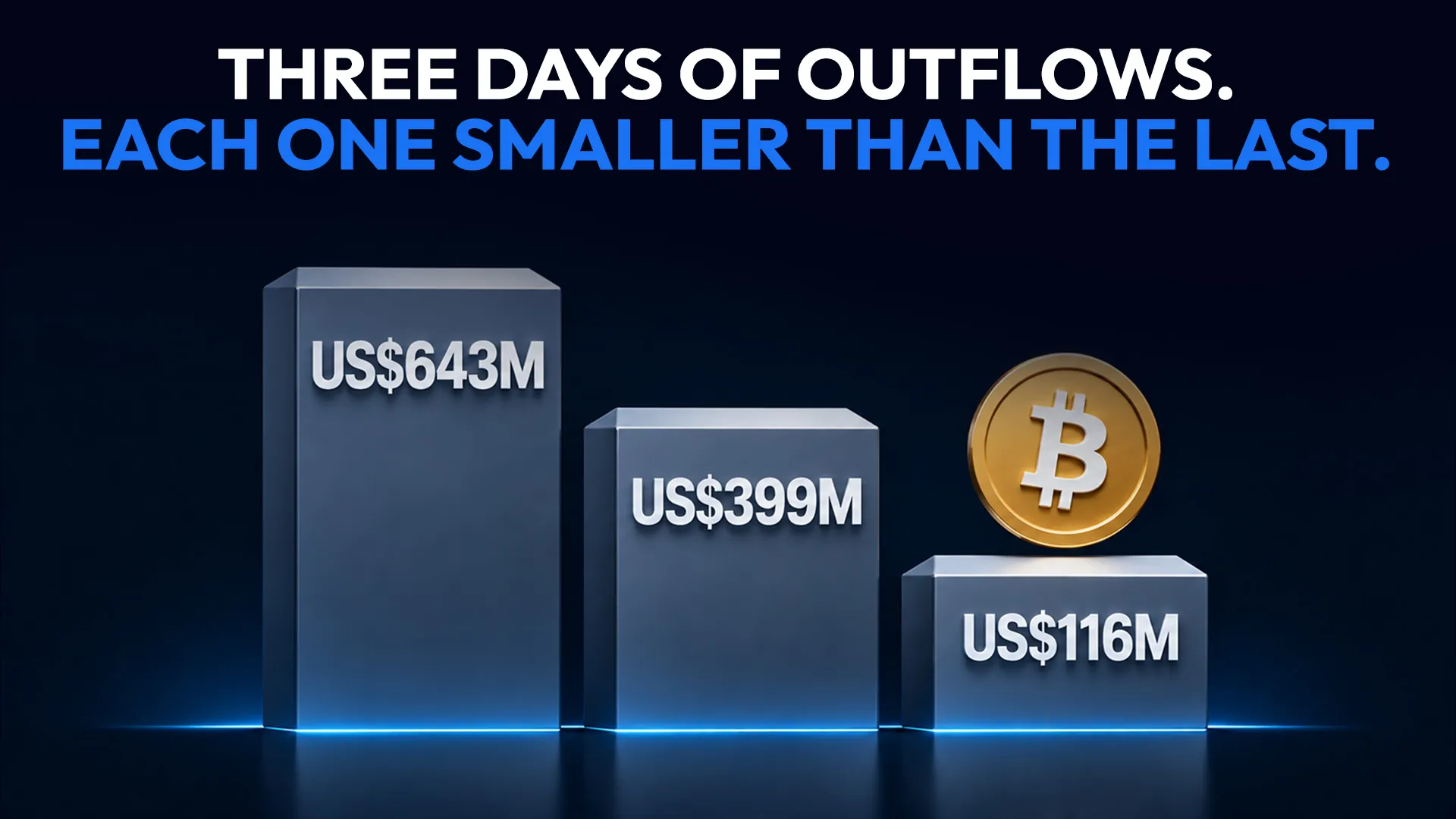
US spot Bitcoin ETFs recorded US$1.16 billion (AU$1.66 billion) in outflows across three trading sessions following the Binance hack, according to SoSoValue data. Friday saw US$643 million (AU$920 million) leave the funds, followed by US$399 million (AU$571 million) on Monday and US$116 million (AU$166 million) on Tuesday. The selling slowed each day, but the three-day outflow brought the funds' cumulative net flows for 2026 to approximately US$153 million (AU$219 million) in the negative, reversing the move into positive territory recorded in late September. Spot Bitcoin ETFs allow investors to gain exposure to Bitcoin's price through an ordinary brokerage account without holding the cryptocurrency directly.
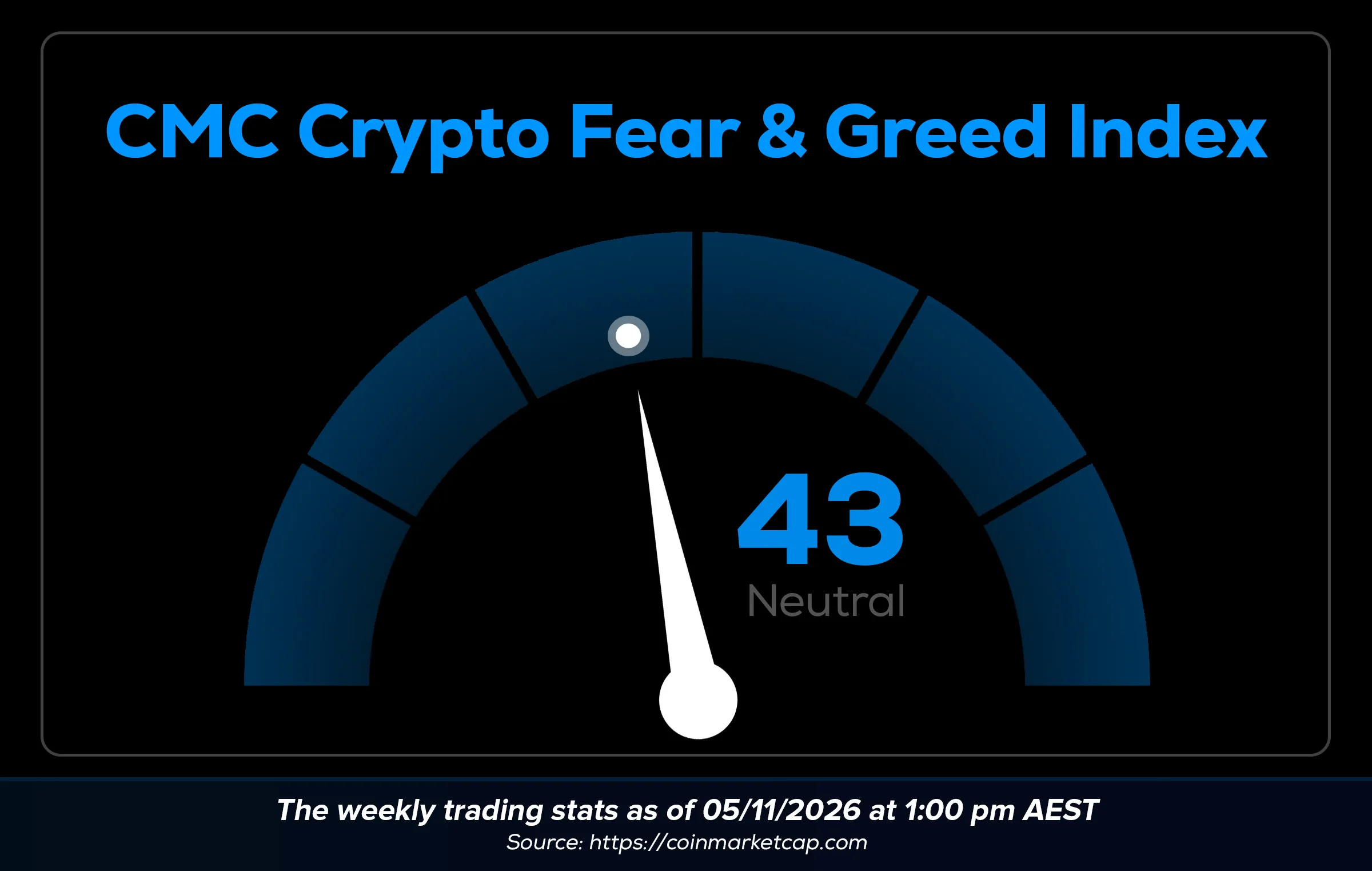
Bitcoin also suffered a sharp correction. Crypto News Australia reported a 6.55% decline on October 30, taking Bitcoin below US$77,000 (AU$110,110). The price subsequently fell to a seven-week low below US$76,000 (AU$108,680), before recovering as the US midterm election results emerged. By Tuesday, Bitcoin was trading near US$78,000 (AU$111,540). Market sentiment improved slightly, with the Crypto Fear & Greed Index rising from 26 on Monday to 34, although it remained in the *Fear* category.
Bitwise head of research André Dragosch believes the outflows reflect a temporary retreat from risk rather than a fundamental change in institutional demand. He pointed to a recent Bitwise survey of 15 institutions, none of which reported reducing their Bitcoin ETF exposure during the bear market. US regulatory filings also suggest that most categories of institutional investors, apart from hedge funds, had maintained their positions. Dragosch argues that retail investors, who still account for most Bitcoin ETF ownership, are more likely to react to short-term volatility. That interpretation deserves some context: Bitwise is itself a crypto investment manager, and institutional filings show holdings at an earlier reporting date rather than identifying who sold during the latest downturn.
The Binance breach also prompted questions about the custody arrangements supporting major Bitcoin ETFs. Some observers noted that a relatively small number of custodians hold assets on behalf of the largest funds, potentially concentrating operational risk. Dragosch highlighted an important difference between exchange wallets and institutional custody arrangements. Binance's losses involved hot wallets, which remain connected to the internet to support rapid withdrawals. Institutional Bitcoin holdings at Coinbase Custody are generally maintained in cold storage, where private keys are kept offline. That distinction means the Binance attack does not necessarily indicate the same vulnerability exists within Bitcoin ETF custody systems.
It remains unclear whether the recent ETF outflows were primarily a reaction to the Binance hack or part of a broader deterioration in market sentiment. Three trading sessions provide too little evidence to establish a lasting change in investor behaviour, and the coming weeks of ETF flow data should offer a clearer picture of whether demand is recovering.
Democrats Win Congress. What Happens to the CLARITY Act?

Democrats won control of both chambers of the US Congress in Tuesday's midterm elections, creating a new political environment for cryptocurrency regulation. The Associated Press called the Senate after Josh Turek won the Iowa race, bringing Democrats and the independents who caucus with them to 51 seats. Democrats will also take control of House committees when the new Congress begins in January 2027, giving them greater oversight of the Trump administration and its policies. For the cryptocurrency industry, one of the most immediate questions concerns the CLARITY Act, the proposed market structure legislation that failed a Senate procedural vote by 49–50 in September.
The bill aims to establish clearer rules for digital asset markets, including how regulatory responsibilities are divided between US agencies. With Democrats taking control of the Senate, new committee leadership could change how the legislation is negotiated and which provisions receive priority. The election result may also influence regulatory appointments and increase scrutiny of cryptocurrency businesses connected to President Trump.
The main obstacle to the CLARITY Act in September was a dispute over ethics provisions. Democrats pushed for stronger conflict-of-interest protections, while the White House accepted approximately 80% of the Tillis-Gallego proposal shortly before the vote. That compromise was insufficient to secure the necessary Democratic support. A Democratic majority changes the negotiating balance, although it remains unclear whether that will make a revised bill easier or harder to pass.
Jerome de Tychey of Ethereum France told Cointelegraph that it is too early to draw firm conclusions from the election result. He argued that meaningful cryptocurrency legislation will still require bipartisan support. Timing presents another challenge: if lawmakers cannot pass the bill before January, the incoming Congress will need to begin the legislative process again. That leaves the lame-duck session, the period between the election and the new Congress taking office, as the remaining opportunity to advance the existing text.
De Tychey and Fred Hsu, co-founder and CEO of D3, both argued that the cryptocurrency industry should avoid becoming closely aligned with one political party. Hsu encouraged the industry to engage with lawmakers on both sides, while de Tychey suggested that stronger conflict-of-interest rules and customer protections should be welcomed by a mature financial sector. He pointed to Europe's Markets in Crypto-Assets framework, or MiCA, as an example of an established regulatory system that already includes similar obligations.
A lawyer from decentralised exchange aggregator 1inch also suggested that US regulators may drive more immediate changes through their existing powers rather than waiting for Congress to pass comprehensive legislation. That approach is consistent with the SEC and CFTC's statements following the failed September vote, when both agencies indicated they would continue using their existing authority. The CFTC's approval of stock perpetual futures this week, discussed below, provides an example of how that process is unfolding.
Markets reacted positively to the election results, with reports of Bitcoin briefly reaching US$80,500 (AU$115,115) as US equities rallied. That reported price movement has not been independently confirmed in the supplied material, so it should be treated as provisional. The longer-term implications for the CLARITY Act remain uncertain, but the election reinforces the importance of bipartisan engagement if the industry wants a durable regulatory framework.
Strategy Resumes Buying. Strive Closes In on Second Place.
Strategy resumed its Bitcoin purchases after a one-week pause, acquiring 811 BTC between October 26 and November 1. The company spent approximately US$65.5 million (AU$93.7 million), paying an average of US$80,846 (AU$115,610) per Bitcoin. The purchase brought Strategy's total holdings to 849,327 BTC, equivalent to approximately 4.04% of Bitcoin's maximum supply. Founder Michael Saylor celebrated the acquisition on X, saying the company had found room for more Bitcoin.
However, Bitcoin purchases were not Strategy's largest use of capital this week. The company also spent US$208 million (AU$297.4 million) buying back STRC, its perpetual preferred stock, more than three times the amount allocated to Bitcoin. Preferred shares generally pay investors a fixed dividend and rank ahead of ordinary shares when distributions are made. By buying back those shares, Strategy reduces the number of outstanding securities on which it must pay dividends. The company also holds approximately US$4.9 billion (AU$7.0 billion) in US dollar assets. Its disclosures do not explain precisely why management divided capital between Bitcoin purchases and preferred share buybacks in those proportions, although Strategy also repurchased preferred shares the previous week when it made no Bitcoin acquisitions.
Strive continued accumulating Bitcoin throughout both weeks. The company purchased another 124 BTC for approximately US$10 million (AU$14.3 million), paying an average of US$80,526 (AU$115,150) per coin. That increased its holdings to 43,124 BTC. Strive also used its new US$1 billion (AU$1.4 billion) SATS preferred share programme for the first time to help finance the purchase.
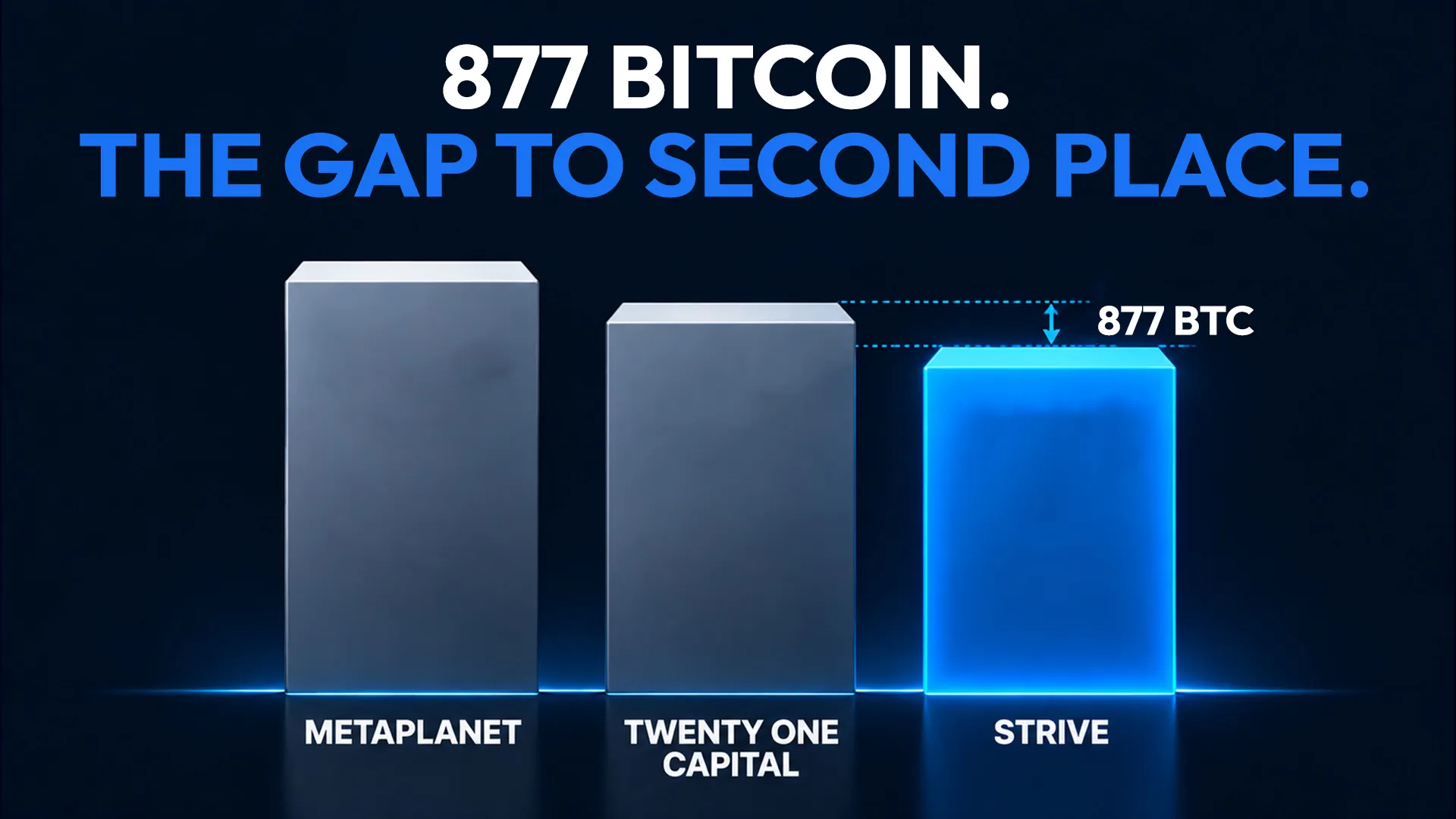
CEO Matt Cole has made clear that the company's goal is to become the second-largest corporate Bitcoin holder. Metaplanet currently occupies second place with approximately 44,000 BTC, followed by Twenty One Capital with 43,514 BTC. Strive needs another 877 BTC to overtake Metaplanet, assuming neither company adds to its holdings in the meantime. That narrow gap explains why even a relatively small purchase attracted attention.
The corporate treasury buying looks modest when compared with the recent selling through Bitcoin ETFs. Strategy and Strive purchased approximately US$75.5 million (AU$108 million) in Bitcoin between them, while US spot Bitcoin ETFs recorded US$1.16 billion (AU$1.66 billion) in outflows across three sessions. The periods only partly overlap, but the difference in scale remains substantial. US spot Bitcoin ETFs collectively hold approximately 1.29 million BTC, representing 6.15% of Bitcoin's maximum supply, while BlackRock's IBIT alone holds around 814,874 BTC. Corporate treasuries remain important participants in the market, but this week's figures show how little of the broader selling pressure their purchases can absorb.
The CFTC Cleared Stock Perpetual Futures. Wall Street Is Already Suing.
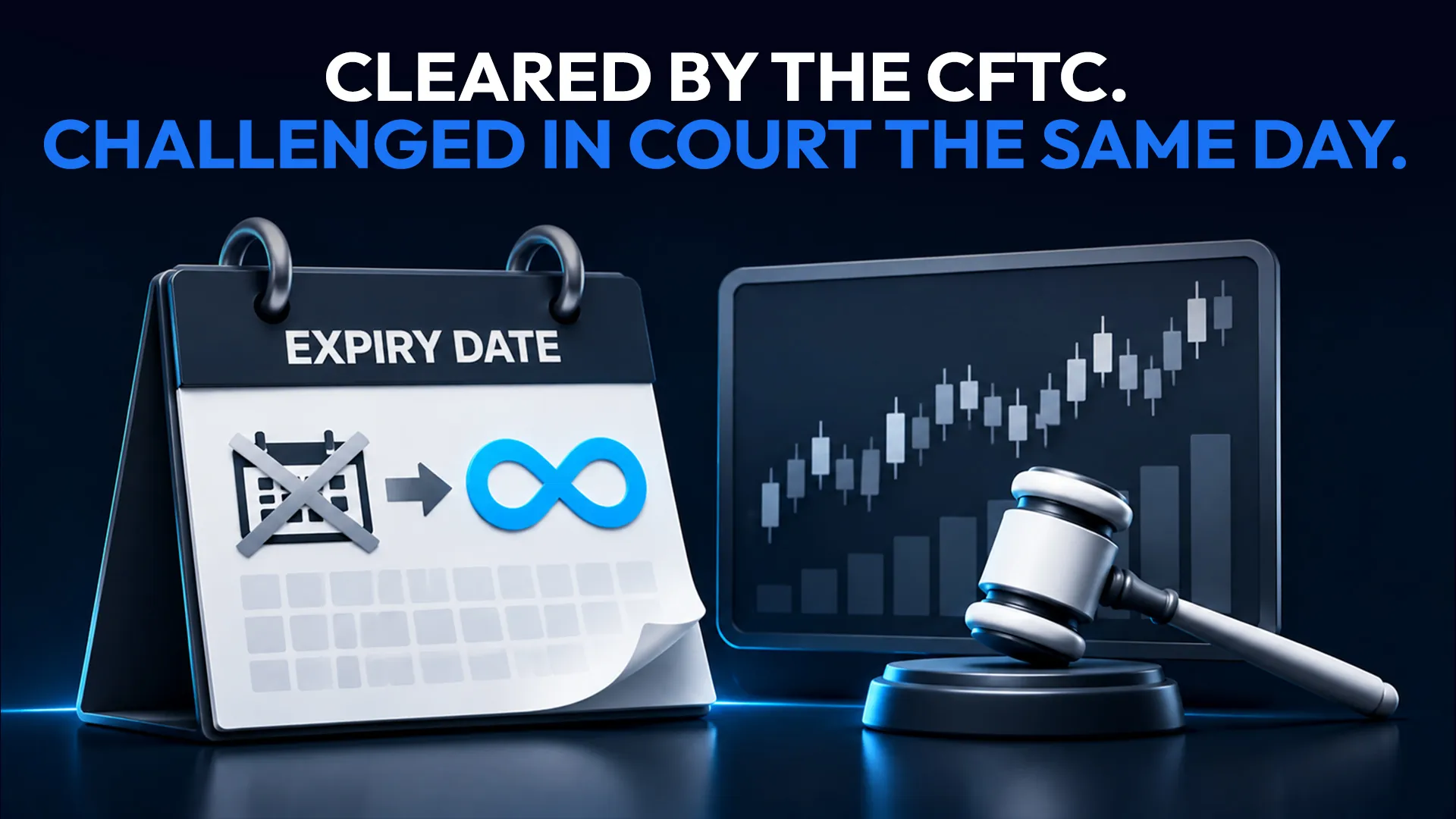
The US Commodity Futures Trading Commission has approved perpetual futures linked to individual stocks for trading on regulated US exchanges, opening the door to a product previously unavailable in the domestic market. A perpetual future, often called a *perp*, allows traders to speculate on an asset's price without owning the underlying asset. Unlike a conventional futures contract, it has no fixed expiry date, allowing traders to maintain positions indefinitely, provided they meet the relevant margin and funding requirements. BitMEX helped popularise perpetual futures in cryptocurrency markets in 2016, and the instruments have since become widely used across digital asset trading platforms.
CFTC Chairman Michael Selig announced on Tuesday that stock perpetual futures had been deemed approved under Regulation 40.3. The contracts may be offered on exchanges registered with both the CFTC and SEC to trade security futures products. Selig argued that American traders should have access to these products through regulated domestic venues rather than relying on offshore exchanges that may operate with weaker oversight. The announcement did not identify which exchanges would list the contracts or when trading would begin.
Several companies have already expressed interest. In September, Coinbase, Kalshi and Bitnomial, an exchange operated by Kraken parent Payward, sought approval for single-stock perpetual futures. OG.com followed with a proposal for contracts that would trade around the clock on weekdays. The CFTC had also approved Bitcoin perpetual futures for Kalshi in May. The latest decision follows comments from President Trump at an August 19 White House event, where he said the CFTC was working to bring Hyperliquid, a decentralised exchange known for perpetual futures, into the US through a compliant regulatory structure. Neither the CFTC nor Hyperliquid had announced a formal plan at that time.
The stock perpetual futures approval immediately attracted legal opposition. The Capital Markets Alliance, a coalition that includes Cboe, Citadel Securities and Healthy Markets, filed a lawsuit on Tuesday afternoon seeking to overturn the decision. The group argues that the contracts should be classified as security-based swaps, which fall under the SEC's regulatory authority, rather than futures overseen by the CFTC. It also claims the agency violated the Administrative Procedure Act by failing to adequately explain its decision or consider the potential impact on investors. The coalition is seeking to block the approvals while the legal challenge proceeds.
The distinction between futures and swaps matters because the two products are subject to different regulatory requirements, including rules covering reporting, margin and registration. This is not the first legal dispute over the CFTC's treatment of perpetual futures. CME Group sued the regulator in June over its approval of cryptocurrency perpetual futures, making a similar argument about whether the contracts should be treated as swaps. The CFTC moved to dismiss that case in September, arguing that CME had not demonstrated financial harm.
With no exchange yet confirmed to list the new stock contracts and multiple legal challenges unresolved, it remains uncertain when, or whether, US investors will be able to trade them. The dispute illustrates how regulators are attempting to accommodate products developed in cryptocurrency markets within existing financial laws, even as traditional market participants challenge where regulatory authority should sit.
The Suspected US$133 Million EU Theft
Blockchain investigator ZachXBT has increased his estimate of a suspected theft involving an unidentified European Union entity to US$133 million (AU$190.2 million). The revised figure followed the discovery of another US$27 million (AU$38.6 million) in withdrawals from centralised exchanges. A day earlier, ZachXBT had estimated the suspected losses at US$106 million (AU$151.6 million). He also reported that some withdrawals continued after his initial public disclosure.
Blockchain analytics firm Bitquery traced transactions involving accounts at Kraken, Crypto.com and OKX. According to its analysis, approximately US$62.98 million (AU$90.1 million) in stablecoins was converted into 27,553 ETH within roughly four hours. ZachXBT believes the attacker has been moving funds into Ether and Monero through instant exchanges and cross-chain bridges, making the transactions harder to trace and recover. He also noted that the laundering pattern differs from techniques commonly associated with North Korea's Lazarus Group.
The exchanges named in the investigation have responded to the reports. Kraken said the incident did not originate on its platform and that its systems had not been compromised. The exchange confirmed it was investigating reports that some stolen assets had subsequently moved through accounts on its platform. It has restricted those accounts and is cooperating with law enforcement. Kraken also said no customer accounts had been taken over and that its users faced no ongoing risk. Crypto.com reported blocking funds linked to the incident from moving through its platform and said customer assets remained secure. OKX acknowledged Cointelegraph's request for comment and said it was examining the matter. Bitquery also identified transactions connected to an account at Kyrrex, using wallet labels supplied by TRM Labs. Kyrrex declined to comment on individual accounts or transactions but said it was prepared to cooperate with relevant authorities.
As of Monday afternoon UTC, approximately US$78.3 million (AU$112.0 million) remained in wallets associated with the suspected attacker, while another US$30.5 million (AU$43.6 million) had moved beyond the addresses being tracked. The movement of funds highlights how quickly recovery becomes difficult once stolen cryptocurrency is converted between assets. Only US$3.74 million (AU$5.3 million) of the funds remained in USDC, which issuer Circle has the technical ability to freeze. Tether had also frozen approximately US$1.1 million (AU$1.6 million) in USDT. Most of the remaining funds had already been converted into Ether, which has no central issuer capable of freezing transactions.
Several important details remain unconfirmed. Much of the available information comes from ZachXBT's investigation and Bitquery's blockchain analysis rather than statements from the alleged victim or a regulator. ZachXBT suspects that a large Western European financial institution was compromised and has alleged that the incident is being concealed. He also claims that delayed disclosure allowed more than US$30 million (AU$42.9 million) to be laundered when authorities might otherwise have been able to intervene. Those claims remain unverified. The alleged victim has not been publicly identified, and no company or regulator has confirmed that the theft occurred.
Founder's Corner
The part of the Binance story I keep coming back to is where it started. According to Binance's own investigation, the attack began with an engineer opening a coding assignment sent by someone posing as a recruiter. It wasn't a flaw in blockchain code or a sophisticated exploit against the network itself. The attackers gained access through people and the systems they used, then spent months building towards a theft that moved US$6.3 billion (AU$9.0 billion) in approximately 20 minutes. Binance says it stopped 57 similar attempts this year, yet one successful intrusion was enough to cause enormous damage. That's an incredibly difficult standard for any organisation to meet, particularly when attackers can spend months identifying employees, studying internal processes and waiting for the right opportunity.
What concerns me is how familiar the approach has become. We covered the same fake-recruiter tactics in October when the Australian Signals Directorate and its partners issued warnings about them. We also saw the risks involved in compromised hardware wallets reaching customers through legitimate-looking supply chains. The technology itself can be robust, but the systems surrounding it are only as strong as the people, processes and suppliers involved. Attackers know that, and they are increasingly targeting those points of weakness. I think the industry will spend the next several years confronting this reality, and the financial consequences could remain substantial until security practices improve across the board. At Wayex, we continue investing in compliance, security and responsible operations because protecting customer assets requires constant attention. It's the work that matters most when incidents like this occur.
The other story that stayed with me this week came from Washington. The CLARITY Act failed its Senate procedural vote by 49–50 in September, and Democrats have now won control of both chambers of Congress. Nobody can say with confidence what that means for the legislation. The analysts I read this week were careful not to make predictions, and I think that caution is appropriate. What resonated with me was a comment from Europe suggesting that stronger conflict-of-interest rules and customer protections are measures a mature cryptocurrency industry should welcome. Europe already operates under similar requirements through MiCA, and I agree with the broader principle. I would rather see the industry work towards clear, effective regulation than spend its energy resisting oversight. Rules that protect customers and establish accountability can help build the trust needed for digital assets to become a lasting part of the financial system.
Bitcoin also fell to a seven-week low before finding some stability as the week progressed. Price movements like that will continue, regardless of which political party controls Congress or what analysts predict about the next market cycle. For Australian crypto holders, I think the more important question this week is about trust. Who holds your assets? How are they protected? And what would you expect to know if something went wrong? Those are questions worth asking in every market, but especially after a week like this one.
Richard Voice Co-Founder, Wayex
Things That Made Us Laugh This Week